Made for the job
Hydraulic Work
Hydraulic equipment transfers power through fluid, so a small leak, misaligned mount or contaminated line can stop a much larger machine. Bharatiya Saman helps with hydraulic work for industrial machinery, fabrication equipment, agriculture systems and material-handling applications. We look at the symptom and the working conditions together: pressure, movement, load, cycle time, heat, oil condition, hose routing and the condition of cylinders, valves and fittings.
Talk to the workshop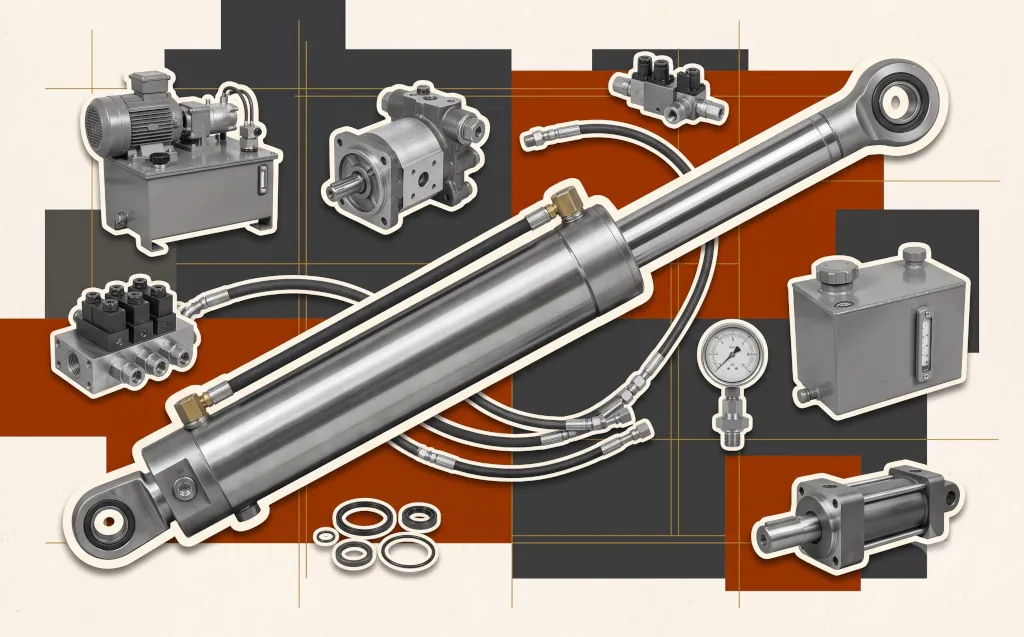
Applications and scope
Requirements can include cylinder repair support, hydraulic power-pack connections, hose and tube routing, mounting brackets, machine alterations, leak tracing, replacement of worn fittings and practical assistance with a hydraulic machine that is not producing the expected force or movement. We can also fabricate guards, stands and supports around hydraulic equipment where safe access and alignment matter.
Materials and construction
Hydraulic work depends on correct pressure-rated components, clean connections and suitable seals. The system should use compatible hose, tube, fittings, valves and fluid for its pressure and temperature range. Mechanical alignment, rod condition, mounting pins, ports and return paths are reviewed alongside the hydraulic circuit because a sound pump cannot compensate for a structural or alignment problem.
How we work
Begin with the machine model, photographs, cylinder dimensions, pressure information and a description of when the fault occurs. If possible, note oil condition, leak location, unusual noise and whether the problem changes with load. We use those details to narrow the likely cause, identify what needs measurement and plan a repair or fabrication route that avoids replacing good components unnecessarily.
Planning your requirement
Safety comes first around stored pressure and suspended loads. Isolate energy, support moving parts and share the machine duty before work begins. Include required stroke, bore, mounting style, hose length, fittings and operating environment when requesting a replacement or modification. Clear information leads to a safer and faster outcome.
Delivery and ongoing support
Every Hydraulic Work project is planned with the next stage in mind: delivery, installation, commissioning and maintenance. We can discuss the practical details that are easy to miss in a short product description, including lifting and access, connection points, inspection areas, replacement parts and the people who will operate the equipment. If the requirement changes after the first conversation, a clear revision is usually easier and safer than forcing an early assumption through the entire build. Share the latest drawing, measurement, photograph or site note when something changes. That keeps the workshop, contractor and end user working from the same information and helps the finished equipment earn its place in the operation.