Made for the job
Engineering Automation
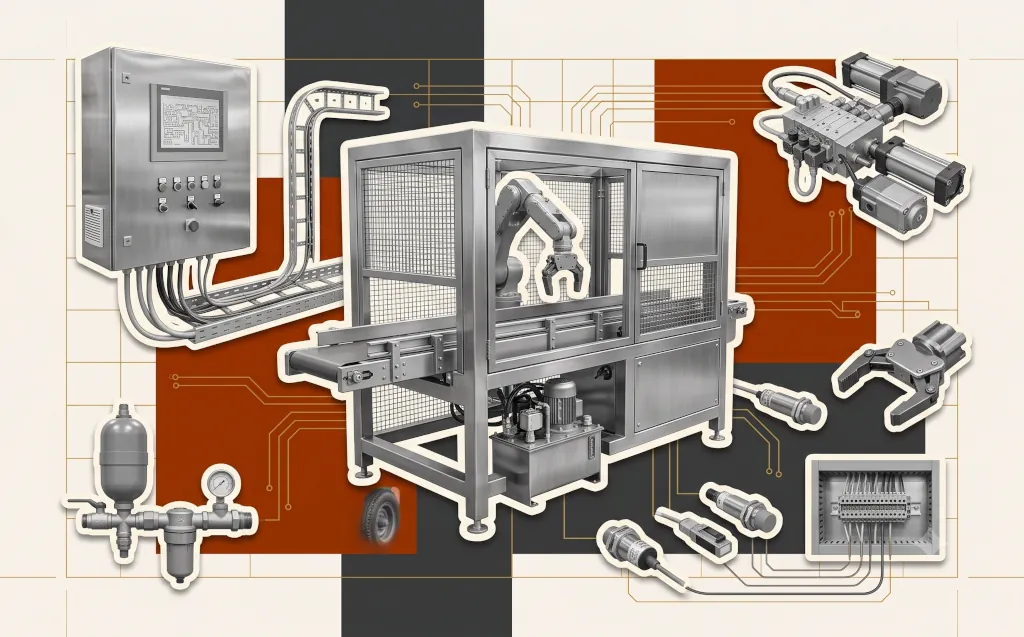
Good automation removes avoidable repetition and makes a process easier to understand. Bharatiya Saman supports practical engineering automation for machinery, conveyors, pumps, process equipment and workshop systems. The first question is not which controller to buy; it is what the operator needs to start, stop, monitor, adjust and safely recover. We look at the mechanical equipment, sensors, power, control points and maintenance capability together.
Talk to the workshop
Applications and scope
Automation work can include machine sequencing, motor control, sensor integration, level or pressure monitoring, pump control, conveyor interlocks, simple operator panels and upgrades to an existing process. It can also coordinate tanks, conveyors, dust extraction and material handling so that one stage does not run blindly into a stopped or full stage. The level of control is matched to the actual process and budget.
Materials and construction
A reliable control system needs compatible sensors, drives, contactors, enclosures, cables, protection, field devices and clear labelling. Environmental conditions such as dust, water, heat and vibration affect enclosure and routing decisions. Mechanical guards, emergency stops and access also matter because software cannot make an unsafe physical arrangement safe by itself.
How we work
We map the current process, operator actions, failure points and desired improvement before defining the control approach. Existing panel photographs, wiring information, machine nameplates and a short process description are valuable. The implementation can then cover panel or field work, wiring, testing, commissioning and operator handover, with documentation kept as clear as the system allows.
Planning your requirement
Describe the process sequence, existing power and controls, sensors already installed, required alarms, operating environment and who will maintain the system. Also identify what must happen during a power failure or emergency stop. These details keep automation useful, serviceable and proportionate to the plant rather than turning a simple job into an opaque dependency.
Delivery and ongoing support
Every Engineering Automation project is planned with the next stage in mind: delivery, installation, commissioning and maintenance. We can discuss the practical details that are easy to miss in a short product description, including lifting and access, connection points, inspection areas, replacement parts and the people who will operate the equipment. If the requirement changes after the first conversation, a clear revision is usually easier and safer than forcing an early assumption through the entire build. Share the latest drawing, measurement, photograph or site note when something changes. That keeps the workshop, contractor and end user working from the same information and helps the finished equipment earn its place in the operation.