Made for the job
Agriculture Machinery
Agricultural equipment has to work with the crop, the operator and the conditions available on the farm. Bharatiya Saman builds and adapts practical machinery for agricultural handling, processing, storage and support work. Instead of assuming one standard arrangement, we ask how material enters, moves, is cleaned, stored and discharged; what power is available; and which parts need to be simple enough for local maintenance.
Talk to the workshop
Applications and scope
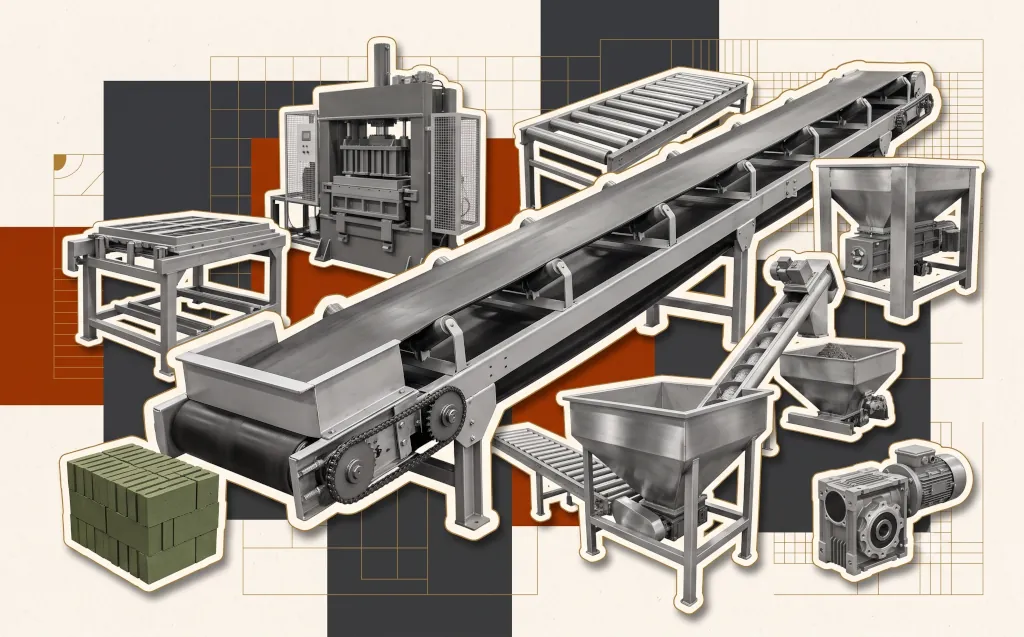
Possible requirements include crop or material handling, feed and grain movement, hoppers, platforms, storage supports, conveyors, processing attachments, machine frames and custom implements. Equipment can be planned for small farms, collection points, workshops or larger agricultural operations. Where a machine must connect to existing equipment, dimensions and power transmission details are important from the start.
Materials and construction
Mild steel is widely used for frames, hoppers and general farm equipment, with wear protection or replaceable parts where material causes abrasion. Stainless components may be considered for wet, clean or product-contact areas. Guards, covers, access panels, bearings, shafts and fasteners should be selected for dust, moisture, impact and the level of maintenance realistically available at the site.
How we work
A useful enquiry includes the material handled, expected capacity, available motor or tractor power, working height, site conditions and the operator workflow. Photos and a short video can explain more than a name alone. We then work through the frame, feeding, movement, discharge, cleaning and service points before fabrication or modification begins.
Planning your requirement
Tell us the crop or material, moisture, approximate size, daily volume, power source, portability needs and the season or duty cycle. Also identify who will operate and maintain the equipment. A durable agricultural machine is one that is productive on ordinary days and understandable when a part eventually needs attention.
Delivery and ongoing support
Every Agriculture Machinery project is planned with the next stage in mind: delivery, installation, commissioning and maintenance. We can discuss the practical details that are easy to miss in a short product description, including lifting and access, connection points, inspection areas, replacement parts and the people who will operate the equipment. If the requirement changes after the first conversation, a clear revision is usually easier and safer than forcing an early assumption through the entire build. Share the latest drawing, measurement, photograph or site note when something changes. That keeps the workshop, contractor and end user working from the same information and helps the finished equipment earn its place in the operation.