Made for the job
Custom Fabrication
Custom fabrication is useful when a standard product does not fit the dimensions, process or access conditions of a working site. Bharatiya Saman builds practical MS and SS components for factories, workshops, farms, contractors and infrastructure projects. We can work from drawings, a sample, photographs, site measurements or a straightforward conversation about what the equipment must do. The focus stays on fit, strength, serviceability and a sensible fabrication path.
Talk to the workshop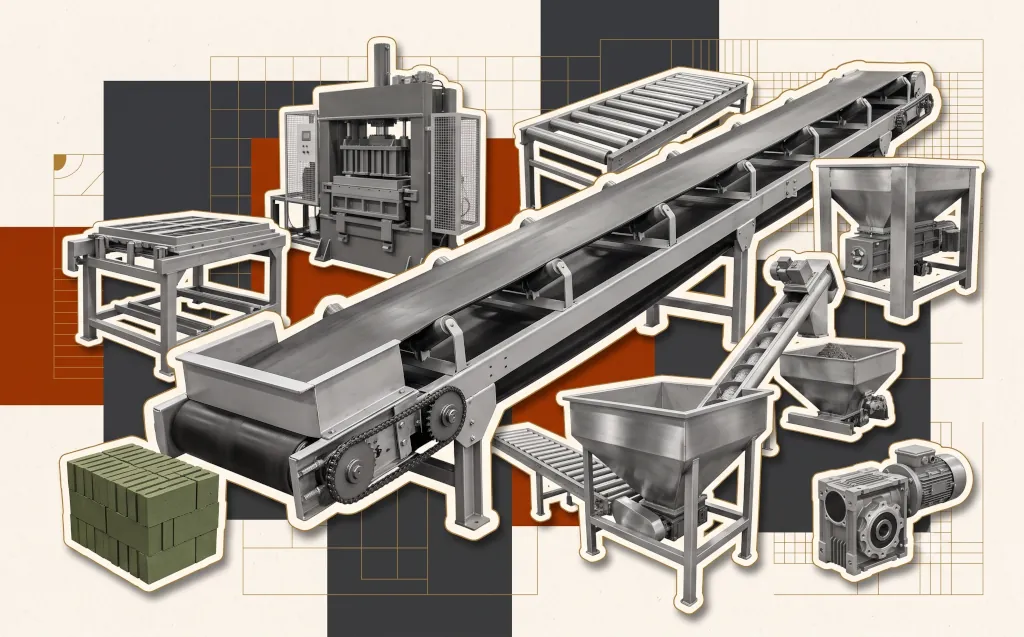
Applications and scope
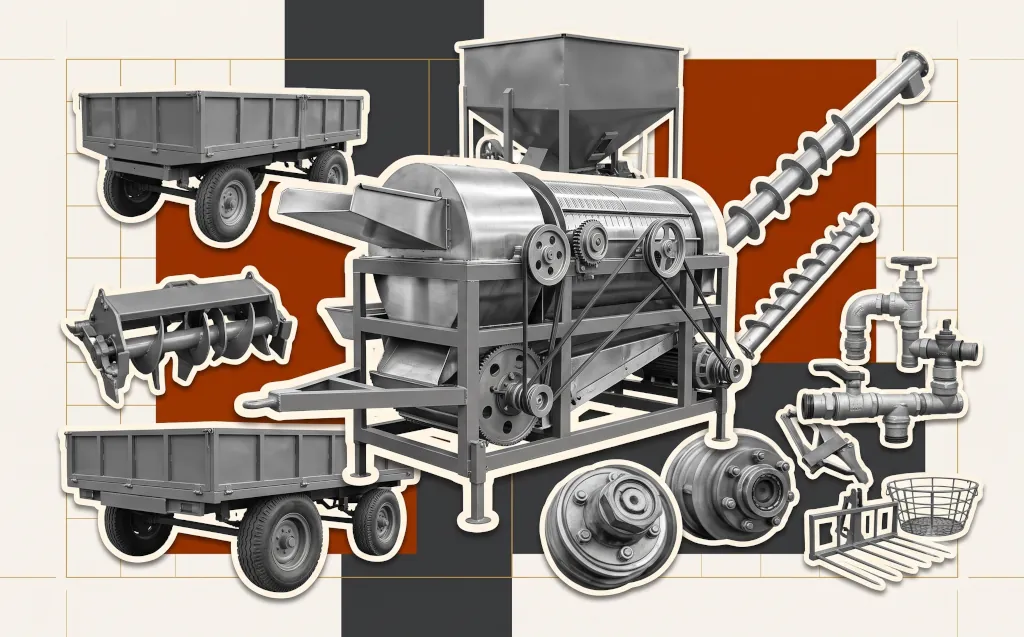
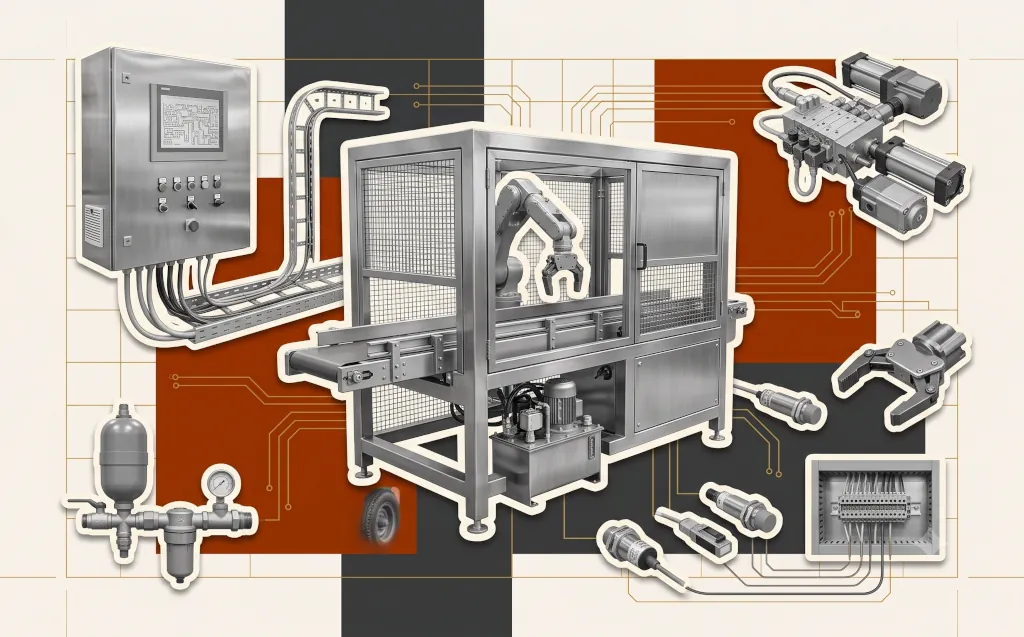
Typical work includes equipment bases, structural frames, platforms, handrails, ladders, guards, chutes, hoppers, covers, brackets, supports, panels, racks and special-purpose assemblies. Fabrication can also form part of a larger tank, pipeline, conveyor or automation project. When an existing component needs alteration, repair or reinforcement, we can review the condition and suggest a safe practical route before work starts.
Materials and construction
Material selection follows loading, environment, hygiene, corrosion and finish requirements. Mild steel suits many structural and general industrial applications, while stainless steel is useful where appearance, cleaning or corrosion resistance is important. Thickness, stiffeners, fasteners, weld sequence and surface treatment all affect service life. We will clarify whether the piece is load-bearing, exposed, moving, heated, washed down or in contact with a product.
How we work
A good fabrication job begins with the interface points: dimensions, anchor locations, clearances, access and connection details. We translate those constraints into a workable cutting, forming, welding and finishing plan. Progress can include a measurement review, simple drawing or marked-up photograph, fabrication, inspection and delivery. For site work, installation and modification can be discussed as part of the same enquiry.
Planning your requirement
Send the available dimensions, material preference, quantity, finish, load or duty, delivery location and any safety requirements. If the design is not final, explain the problem and share photographs from several angles. This gives the workshop enough context to identify hidden clashes and avoid a component that looks right on paper but is difficult to install or maintain.
Delivery and ongoing support
Every Custom Fabrication project is planned with the next stage in mind: delivery, installation, commissioning and maintenance. We can discuss the practical details that are easy to miss in a short product description, including lifting and access, connection points, inspection areas, replacement parts and the people who will operate the equipment. If the requirement changes after the first conversation, a clear revision is usually easier and safer than forcing an early assumption through the entire build. Share the latest drawing, measurement, photograph or site note when something changes. That keeps the workshop, contractor and end user working from the same information and helps the finished equipment earn its place in the operation.